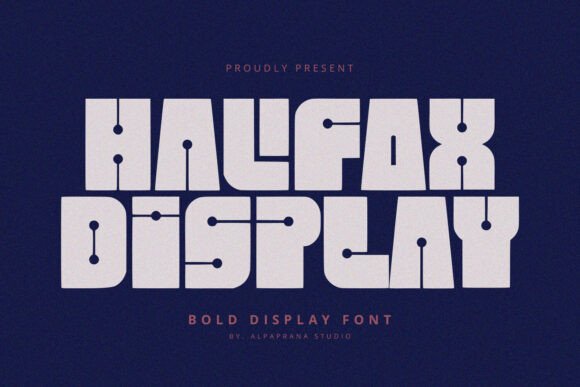
Halifax Display Font: The Modern Typeface for Handmade Brands
When I started selling my handmade goods online, I quickly realized that the font I chose was just as important as the product itself. It sets the tone, builds trust, and tells a story before a customer even touches the item. That is why Halifax has become such a vital part of my design toolkit. This isn't just another generic typeface; it is a display font with a distinct modern and futuristic feel that brings an immediate sense of sophistication to any project. Whether you are crafting custom labels, designing wedding invitations, or creating digital downloads for your shop, Halifax offers the visual punch needed to make your brand stand out in a crowded marketplace.
Defining the Visual Personality of Halifax
In the world of handmade products, aesthetics drive sales. Halifax delivers exactly what many creators look for when they want their work to appear premium and contemporary. Its design strikes a perfect balance between clean lines and futuristic flair. Unlike traditional serif fonts that might feel too rustic or overly formal, this creative font bridges the gap between classic elegance and modern innovation. The letterforms are crafted with precision, ensuring that every curve and angle contributes to a cohesive brand identity.
For sellers focusing on branding and logo design, this typeface is a game-changer. It works beautifully for logotypes where readability is key but style cannot be compromised. When used on clothing tags, packaging, or posters, the unique character of Halifax elevates the perceived quality of the item. Customers often judge a product by its presentation, and a font that looks professionally designed signals that care went into the creation process. It transforms a simple sticker or a basic tote bag into a statement piece that feels curated and intentional.
Practical Applications for Physical Products and Labels
One of the most common questions I get from fellow crafters is which font works best for small-scale items like product labels and stickers. Halifax excels in these scenarios because of its strong structure and clear legibility. Imagine applying this font to candle jars, soap bars, or boutique shopping bags. The modern typography ensures that your brand name remains readable even at smaller sizes, provided you choose the right weight.
I have found that Halifax is particularly effective for:
- Product Packaging: Using it on boxes or wrapping paper adds a sleek, high-end touch that customers love to unbox.
- Stickers and Decals: Its sharp details cut cleanly on vinyl for Cricut or Silhouette machines, making it ideal for die-cut shapes and intricate designs.
- Apparel and Merchandise: From screen-printed t-shirts to embroidered patches, the font holds up well across different textures and materials.
- Event Signage: Welcome boards for weddings, party banners, or directional signs benefit from the font's bold presence.
Because it is classified as a display font, Halifax is best suited for short phrases, names, titles, and decorative wording rather than long paragraphs of body text. However, within those constraints, it offers incredible versatility. A single word like "Boutique" or "Handmade" rendered in Halifax can serve as a powerful focal point for your entire marketing campaign.
Readability Tips for Cutting Machines and Printables
When working with physical crafts, technical execution matters. If you are using Halifax for SVG files intended for cutting machines, pay attention to the spacing between letters. The futuristic elements of the design can sometimes create tight negative spaces. Adjusting the kerning slightly can prevent ink bleed on printed cards or overlapping cuts on vinyl. For printable products like planner pages or greeting cards, ensure you export your files in high-resolution formats to maintain the crisp edges of the typeface. A blurry font undermines the premium look you are trying to achieve.
Another practical consideration is color contrast. Since Halifax has a modern aesthetic, it pairs exceptionally well with bold colors or monochromatic schemes. On dark backgrounds, use white or light metallic inks to let the font shine. On light backgrounds, a deep charcoal or navy provides a striking contrast that enhances readability without sacrificing style.
Building Brand Identity with Strategic Pairing
No font exists in isolation. To create a truly professional design system, you need to know how to pair Halifax with other typefaces. The key is to balance its futuristic display nature with something more grounded. A common mistake is pairing two display fonts, which can result in a chaotic and unreadable layout.
For a balanced look, try pairing Halifax with a clean sans serif font for secondary information. Use Halifax for the headline or main logo, and switch to a simple sans serif for addresses, ingredient lists, or fine print. This combination ensures that your brand looks stylish while remaining accessible and easy to read. Alternatively, if your niche leans towards a softer aesthetic, consider pairing Halifax with a handwritten font. The contrast between the structured, modern display font and a fluid script creates a dynamic tension that is very trendy in stationery and wedding design.
This approach helps establish a consistent brand identity across all your assets. Whether you are designing social media graphics, website headers, or physical merchandise, maintaining this harmony makes your business look established and reliable. Customers recognize the consistency, which fosters loyalty and encourages repeat purchases.
Exploring Design Assets and File Formats
Before downloading any premium font, it is crucial to check what is included in the package. With Halifax, you should verify the availability of alternate characters, ligatures, and swashes if your design requires them. These features allow for greater customization, letting you tweak the look of specific letters to fit a unique layout. Additionally, confirm the file formats available (such as OTF, TTF, or WOFF) to ensure compatibility with your preferred software, whether it is Adobe Illustrator, Canva, or a specialized cutting machine program.
If you plan to sell internationally, checking for multilingual support is also wise. Many modern display fonts include extended language support, allowing you to expand your market reach without needing to source new typefaces for different regions.
Navigating Commercial Licensing for Creators
As a seller of handmade goods and digital downloads, understanding commercial licensing is non-negotiable. Just because you purchased a font does not automatically mean you can use it for every purpose. You must review the specific terms associated with Halifax to ensure you are compliant.
Typically, a standard commercial license allows you to use the font for creating physical products like shirts, mugs, and stickers that you sell directly to consumers. It may also cover digital templates and printables sold on platforms like Etsy. However, some licenses restrict embedding the font into apps or websites, or they may limit the number of end-products you can produce. Always read the fine print regarding client work, merchandising, and distribution. Being diligent about licensing protects your business from legal issues and ensures you are supporting the designers who created this beautiful tool.
Ultimately, choosing the right typeface is an investment in your business's future. Halifax offers a blend of modernity and charm that resonates with today's consumers. By integrating this display font into your labels, logos, and marketing materials, you elevate your craft from a hobby to a recognizable brand. Whether you are launching a new line of eco-friendly soaps or designing luxury wedding stationery, Halifax provides the visual foundation you need to succeed.